How the Anion Gap Evaluates
The anion gap is a straightforward way to estimate the difference between measured positively charged and negatively charged particles in the blood. It is most often used as a diagnostic tool for spotting an electrolyte imbalance and aiding evaluate metabolic acidosis. By comparing common electrolytes such as sodium, chloride, and bicarbonate, clinicians can infer whether there are extra unmeasured anions present in the bloodstream.
This matters because the body depends on careful acid-base balance to keep cells functioning normally. When that balance shifts, the change may reflect an underlying acid-base disorder, a metabolic disturbance, or a problem with kidney function. An anion gap result does not identify a condition by itself, but it can inform the next step in evaluation.
The anion gap is derived from serum electrolytes and other values reported on a blood chemistry or electrolyte panel. Because it is based on routine blood tests, it is widely used in screening. In practice, the number helps show whether the blood contains higher levels of acids, such as organic acids, or whether a low result is due to depleted proteins like albumin.
How to Work with an Anion Gap Calculator
An anion gap calculator is a simple calculation tool that relies on values from a basic chemistry panel. The usual inputs are sodium, chloride, and bicarbonate, and some versions also include potassium. The calculator then applies a formula to determine the gap and compare it with a expected reference range.
To use the calculator correctly, enter the measured lab values exactly as reported. Small changes in one input can shift the result, especially when the overall anion concentration is close to the normal range. Since the output is only as accurate as the data entered, it is essential to confirm the numbers from the serum chemistry report and not from memory.
A practical workflow is:
- Collect the values from the electrolyte panel. Check whether the calculator uses the standard or potassium-included method. Input sodium, chloride, bicarbonate, and potassium if needed. Interpret the result in the context of the patient’s symptoms and other blood tests.
The calculator is a screening and interpretation aid, not a replacement for clinical interpretation. A single number should always be considered alongside the full clinical picture, including medications, hydration status, and how to calculate anion gap mEq/L signs of acid-base disorders.
When Potassium Is Included in the Calculation
Potassium is at times included because it is also a cation in the blood and can be included in the balance between measured ions. The standard or traditional anion gap calculation usually excludes potassium because its concentration is relatively small compared with sodium. However, a modified anion gap includes potassium and can yield a slightly higher result.
The difference is significant when comparing calculators or reading older literature. If potassium is included, the calculated gap will usually go up by a few units, but the clinical meaning may remain similar. That is why a result must always be interpreted based on which formula was used.
There are situations where the potassium-included method may be preferred, especially in theoretical discussions of acid-base balance or when a system is designed to account for all major measured cations. Even then, most bedside and routine references still rely on the traditional anion gap, so agreement matters more than the specific method itself.
In simple terms, the potassium-included version is a modified anion gap approach that adds one more measured electrolyte to the calculation. The result can be useful, but it should not be mixed with standard reference values from a calculator that excludes potassium.
Anion Gap Equation and Stepwise Calculation
The computational formula is determined by whether potassium is included. The common traditional version is:
Anion gap = sodium - (chloride + bicarbonate)
If potassium is included, the formula is written as:
Modified anion gap = sodium + potassium - (chloride + bicarbonate)
These equations use serum electrolytes from a routine blood chemistry panel. For complete interpretation, it can also make sense to review albumin, since albumin is a major unmeasured anion and a low level can reduce the apparent gap.
Here is an example, step by step using the potassium-included method:
- Start with the measured sodium. Then add potassium if the calculator uses the modified method. Add together chloride and bicarbonate. Subtract the chloride-bicarbonate total from the sodium-plus-potassium total.
For example: if sodium is 140, potassium is 4, chloride is 102, and bicarbonate is 24, then the modified anion gap is 140 + 4 - (102 + 24) = 18.
That result should then be checked against the correct baseline value for the specific formula used. If albumin is low, a correction may be needed because the raw number can underestimate the severity of a metabolic problem. This is why the calculator is only the starting point, not the final answer.
Typical Range and How High or Low Values Are Interpreted
The reference range is based on the laboratory method and on whether potassium is included. For the standard anion gap, many reference ranges fall in a narrow band, while the potassium-adjusted version is typically a few units higher. A calculator should display the method clearly so the result is interpreted against the correct normal range.
A high anion gap often indicates extra acids or unmeasured anions in the blood. This can happen in a number of serious conditions and often points toward a metabolic acidosis. A reduced anion gap is less common, but when present it can suggest low albumin, analytical issues, or other unusual protein changes.
Understanding whether the value is somewhat abnormal or clearly outside the expected range is part of good clinical interpretation. A small shift may represent minor variation in laboratory test results, while a more pronounced abnormality can signal a true acid-base imbalance.
The most useful approach is to compare the number with the patient’s overall condition, the rest of the electrolyte profile, and related findings such as kidney markers and acid levels. In other words, the calculator gives a number, but the clinician attaches meaning to that number.
Typical Sources of an Elevated Anion Gap
A high anion gap usually indicates there are additional not measured negative ions in the blood. One of the most common causes is lactic acidosis, which happens when the body produces or removes lactate badly. It often reflects tissue hypoxia, severe illness, or a different process that adds to acid load.
Ketoacidosis is another major cause. In this context, ketone bodies accumulate and increase the gap. It may occur with diabetes, starvation, or prolonged alcohol use. Because ketones are organic acids, the anion gap can increase as bicarbonate is consumed during buffering.
Kidney failure can also lead to the gap to rise because the kidneys are not as able to excrete acids. Reduced kidney function leads to retention of acid and other metabolic byproducts, which can contribute to acidosis. This renders the anion gap a valuable clue in evaluating kidney-related metabolic disturbance.
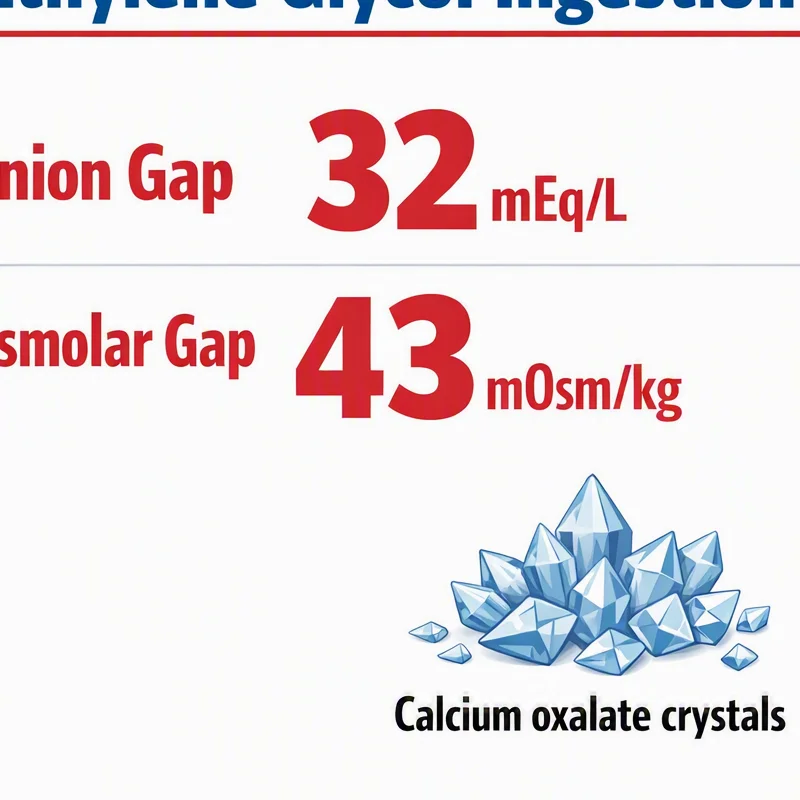
Additional important causes include toxic alcohols, which are classic considerations in a serious unexplained acidosis. These substances may generate metabolites that increase the gap and can require urgent attention. A high result should therefore prompt a careful review of history, medication exposure, symptoms, and other blood tests.
Common Causes of a decreased anion gap
A low anion gap is not as common and often deserves a careful review rather than dismissal. The leading reason is hypoalbuminemia. Since albumin plays a major role to the unmeasured anion pool, a reduced albumin level can reduce the gap even when other chemistry values look normal.
Laboratory error is another major possibility. Because the anion gap is derived from other values, any mistake in sodium, chloride, or bicarbonate can alter the final answer. Repeating the blood test may be reasonable when the result does not align with the clinical picture.
Paraproteinemia, such as in certain plasma cell disorders, can also reduce the gap. In these conditions, abnormal proteins may interfere differently than expected and shift the balance of measured and unmeasured ions. This is one reason the anion gap is useful as a screening clue rather than a diagnosis on its own.
In some cases, a low gap reflects a mix of factors, including low albumin, changes in serum electrolytes, or unusual blood chemistry patterns. The key is to consider the result in the broader context of the patient’s symptoms and full clinical interpretation.
Constraints of the Calculator and Clinical Context
An anion gap calculator is valuable, but it has limitations. It uses measured values from blood tests and cannot account for each source of acid-base change. A normal result does not eliminate all acid-base disorders, and an abnormal result does not determine the exact cause on its own.
Another limitation is that different laboratories may use different analytic methods, which can shift the reference range. That means the same patient may show a slightly different result depending on the instrument, reporting style, or whether the formula includes potassium. The calculator should therefore be used as a screening and interpretation aid, not as a final diagnostic endpoint.
Clinical context matters just as much as the number itself. Symptoms, physical exam findings, medication use, kidney function, and the rest of the electrolyte panel all guide interpretation. For example, a modestly elevated gap in a patient with suspected metabolic acidosis may be more significant than the same value in someone with no symptoms.
Good clinical interpretation also depends on whether the result is being compared with a baseline value. A change from the patient’s usual pattern may be significant even if the number still falls within a typical range. For this reason, the calculator is best viewed as one part of a broader diagnostic toolset.
FAQs About the Anion Gap Calculator
What is an anion gap calculator with potassium included?
An anion gap calculator with potassium included is a tool that estimates the gap using sodium, chloride, bicarbonate, and potassium. It uses a modified anion gap formula rather than the traditional one. This version can be beneficial when you want a more complete accounting of measured electrolytes.
Why would potassium be included in the anion gap formula?
Potassium may be added because it is a measured cation and contributes to the overall ion balance. Adding it creates a modified anion gap that may be useful in some educational settings. However, most routine clinical references still use the traditional anion gap, so the formula must align with the reference range being used.
What is considered the normal anion gap range when potassium is included?
The normal range is increased when potassium is included because the formula adds one more cation. The exact range depends on the laboratory and the calculator method. Always compare the result with the reference range provided for the specific formula, not with a standard range from a calculator that excludes potassium.
What may a high anion gap indicate?
A high anion gap often indicates additional acids in the blood, which can occur in lactic acidosis, ketoacidosis, renal failure, or exposure to toxic alcohols. It usually points toward some form of metabolic acidosis. The exact cause depends on the rest of the labs and the overall clinical picture.
Could a normal anion gap still mean there is a medical problem?
Yes. A normal result does not exclude a medical issue, because not every acid-base disorder changes the gap. Some conditions cause a non-gap metabolic acidosis, while others may be present despite a normal calculation. The result should always be interpreted alongside symptoms, other blood chemistry values, and the full electrolyte panel.