What Is the Anion Gap?
The gap anion is a calculated value used to judge body salts and acid-base balance in the body. It comes from a serum chemistry panel or associated blood test, where common serum electrolytes such as sodium, chloride, and bicarbonate are measured. The result is not a straight measurement of one substance; instead, it is a difference that helps clinicians evaluate the balance between measured electrolytes and hidden anions in the blood.
At a simple level, the body tries to maintain electrical neutrality. That means the total positive and negative charges in blood should stay balanced. Because some ions are measured directly and others are not, the anion level can be calculated indirectly using common laboratory values. This makes the anion gap a useful clue in evaluating a possible acid-base imbalance, especially when the goal is to understand whether there is occult acid accumulation or another type of electrolyte imbalance.
In clinical practice, the anion gap is often reviewed as part of a larger chemistry panel. It is a small number with big diagnostic value because it can point to systemic acidification, changes in test values, or problems that are not obvious from symptoms alone. The anion gap does not diagnose a condition by itself, but it can help guide professional interpretation of the overall blood chemistry picture.
How an Anion Gap Calculator Works
This Anion Gap Calculator simplifies the standard calculation used by doctors and medical labs. It typically takes sodium, chloride, and bicarbonate values from a blood test and applies a basic formula. As they are common components of an electrolyte panel, the calculator is a practical diagnostic tool for swiftly estimating the anion gap without performing the math manually.
This process is clear: sodium is the main measured positive ion, while chloride and bicarbonate are the main measured negative ions included in the calculation. The calculator estimates the gap between them, which indicates the amount of unmeasured charge in the sample. If the gap is higher than expected, it may suggest extra acids or other unmeasured anions. If it is lower than expected, it may suggest a different kind of imbalance or a lab-related issue.
A typical formula is:
Anion gap = sodium − (chloride + bicarbonate)
Many online or electronic calculators simply enter the blood chemistry values and return the result instantly. This can be useful for rapid review of patient results, especially when paired with other findings from a serum chemistry panel or electrolyte panel. The calculator is not limited to specialists; it can also help with patient education by making the calculation easier to understand in plain language.
Formula for Anion Gap and Frequent Variations
The standard anion gap formula commonly used in routine practice is sodium minus the sum of chloride and bicarbonate. A few formulations include potassium in the calculation, though that version is not as common in many settings. When potassium is included, the result is slightly different because potassium adds to the measured cations in the sample.
The presence of albumin also matters. Albumin is a main unmeasured anion in the blood, so when albumin is low, the anion gap can look falsely decreased. That is why many clinicians use a corrected anion gap or apply albumin correction when reading the results. This adjustment helps provide a more useful result, especially if the patient has altered protein concentrations or serious illness.
In clinical use, the formula variation used depends on the laboratory reference range, the lab’s reporting method, and the clinical situation. Some institutions use a somewhat different reference interval because measurement methods can change. That means the same laboratory values may not consistently produce the same interpretation in every environment. Even so, the underlying idea remains the same: measure the gap between observed ions and unmeasured anions to better understand acid-base balance.
It is also important to recognize that the corrected value is not just a mathematical exercise. A corrected anion gap can alter the clinical impression in cases where albumin is low, helping prevent a missed diagnosis of metabolic acidosis or another acid-base disorder. This is one reason the calculator is often used together with, rather than instead of, broader clinical assessment.
How to Understand Anion Gap Findings
Assessment starts with the normal range, which can vary by lab and method. If the anion gap lands within the expected interval, the result may indicate that there is no major buildup of unmeasured acids. However, a normal value does not eliminate every disorder, and it must be viewed in the context of symptoms, other laboratory values, and the overall clinical picture.
A high anion gap is often linked to metabolic acidosis. This happens when acids accumulate in the blood, elevating unmeasured anions and widening the gap. A high value can be a clue that the body is coping with extra acid production, reduced acid removal, or ingestion of a substance that disrupts normal chemistry. The size of the gap can help guide further testing, but it is not specific to one diagnosis.
A low anion gap is less common and may occur when albumin is low, when there is a change in measured ions, or when a laboratory issue affects the result. It can also point to unusual blood chemistry patterns. Because low values are more likely to be influenced by technical or protein-related factors, they often prompt a closer Have a peek at this website look at the full metabolic panel and clinical context.
The best interpretation is always holistic. For example, a patient with symptoms of systemic acidification, abnormal serum electrolytes, and a high anion gap may need immediate evaluation, while someone with a borderline result and no symptoms may simply need repeat testing or review of the laboratory reference range. The calculator is useful, but it is only one piece of the diagnostic process.
Frequent Causes of an Abnormal Anion Gap
Several conditions can lead to a high anion gap, especially when metabolic acidosis is present. A common cause is lactic acidosis, which occurs when lactate builds up due to low oxygen delivery, severe illness, or other stress on the body. A further major cause is ketoacidosis, where ketone acids rise, often in settings such as uncontrolled diabetes, prolonged fasting, or severe metabolic stress.
Kidney failure can also elevate the anion gap because the kidneys are less able to remove acids and maintain normal electrolyte balance. As waste products and acids accumulate, the gap may widen. This makes the anion gap a useful clue when evaluating patients with impaired renal function or signs of worsening blood chemistry.
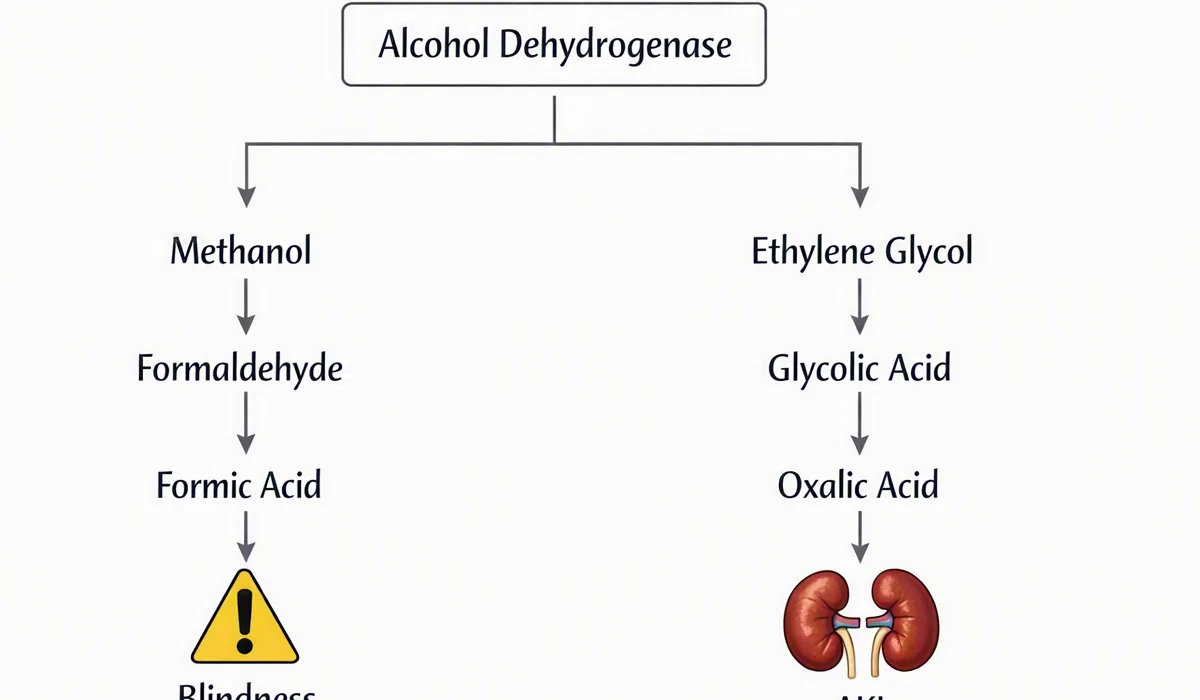
Toxins are a further significant category. Some substances can generate unmeasured anions or interfere with normal acid-base balance. In these situations, the anion gap may rise before the full cause is obvious from symptoms alone. That is one reason the calculation is a valuable screening clue in emergency and inpatient settings.
Not every abnormal result means a severe illness, but the pattern matters. A high result combined with low bicarbonate and clinical signs of acidosis strongly supports metabolic acidosis. A low result, on the other hand, may point to albumin-related changes, measurement issues, or less common disorders. Careful review of serum chemistry panel data helps sort out these possibilities.
When an Anion Gap Calculator Is Helpful
An Anion Gap Calculator is helpful whenever a clinician seeks a fast, structured look at an electrolyte panel or blood test. It can aid early recognition of acid-base abnormalities, help track changes over time, and make it easier to compare patient results across visits. Because it is based on standard laboratory values, it fits easily into routine review of a serum chemistry panel.
It also has value in clinical decision support. When built in in medical software or used at the bedside, the calculator can accelerate interpretation by presenting the result immediately after sodium, chloride, and bicarbonate values are entered. That can be especially helpful in urgent situations where quick reasoning about metabolic acidosis or electrolyte imbalance is needed.
For patient education, the calculator can turn a complex concept easier to explain. Patients often understand that their blood chemistry includes different salts and that the anion gap is a way to check whether the balance appears normal. While the math itself is simple, the meaning can be simpler to grasp when it is linked to real lab results and explained in plain language.
In short, the calculator is useful because it converts a standard blood chemistry pattern into a more interpretable clue. It does not replace professional judgment, but it can support faster, more understandable review of measured ions, unmeasured anions, and possible acid-base disorder patterns.
Drawbacks of the Calculator
While the tool is useful, it has major restrictions. One of the biggest is albumin correction. When albumin is abnormal and the result is not adjusted, the anion gap may be deceptive. In other words a number that looks normal could hide a clinically significant acid base problem, while a low value could be due to protein changes rather than a true condition.
The laboratory reference range also counts. Different labs may use different methods, instruments, and reporting conventions, so the same anion gap may land in different categories depending on where the test was processed. This is why clinicians always compare the result with the relevant reference interval rather than relying on a universal cutoff.
Measurement error is another concern. Small inaccuracies in sodium, chloride, or bicarbonate can change the final calculation. Because the anion gap is a derived value, tiny shifts in the measured inputs can make the result appear more abnormal than it really is. Repeating the test or checking for internal consistency may be necessary if the number does not match the clinical picture.
Lastly, clinical context is essential. The calculator cannot tell you the full cause of an abnormal value on its own. Symptoms, medications, kidney function, acid-base status, and other laboratory values all influence interpretation. A calculated number is only meaningful when it is considered alongside the broader case.
FAQ
What is an anion gap calculator used for?
An anion gap calculator is used to determine the difference between measured cations and measured anions in blood. It helps interpret lab results related to acid-base balance, especially when evaluating possible metabolic acidosis or other acid-base disorders. Clinicians use it to support diagnosis, follow changes, and clarify electrolyte balance.
How do you calculate the anion gap from lab results?
The standard calculation uses sodium, chloride, and bicarbonate from a blood test. The common formula is sodium minus the sum of chloride and bicarbonate. Some versions also include potassium. An Anion Gap Calculator handles this calculation automatically using the values from the serum chemistry panel or electrolyte panel.
What is the meaning of a high anion gap?
A high anion gap often suggests that unmeasured acids are accumulating in the blood. Common causes include lactic acidosis, ketoacidosis, kidney failure, and toxins. It is frequently associated with metabolic acidosis, but the result should always be interpreted with the full clinical picture and other laboratory values.
What is the meaning of a low anion gap?
A low anion gap can happen when albumin is low, when there is an issue with measurement, or when less common blood chemistry patterns are present. It may also reflect a measurement error or differences in the laboratory reference range. Because low values are less common, they usually warrant careful review of the test and the clinical context.
Why is albumin correction important for the anion gap?
Albumin is a major unmeasured anion, so low albumin can make the anion gap appear lower than it really is. Albumin correction helps produce a corrected anion gap that better reflects the true acid-base status. This adjustment can prevent missed recognition of metabolic acidosis and improves the usefulness of the calculation in interpreting patient results.